There is a pattern to how material estimates fail, and it is not arithmetic. The formulas are simple and every site has them. What goes wrong is the input nobody thinks to ask about: the thickness a driveway actually needs, the wall area after the doors come out, the fact that a cubic yard of bagged stone weighs a fifth less than a cubic yard from the pile.
Each guide below takes one material and follows the same path: the formula, a worked example with real numbers, the table that shows how the answer moves, and the one figure that the other calculators in the top ten do not publish. Where a rule of thumb is standard, we say what it is and then say when it is wrong.
Materials you buy in boxes
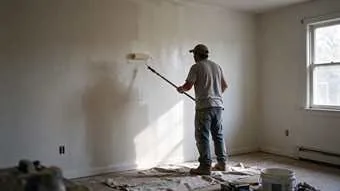
How much paint do you need?
Doors, windows and the second coat, and why the standard method under-buys by 26 percent.
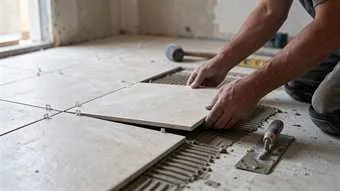
How many tiles do you need?
Three lay patterns, one box count, one price. Where the waste allowance actually goes.
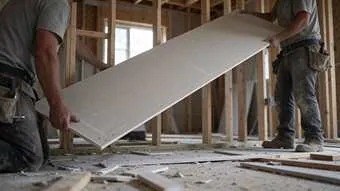
How many drywall sheets do you need?
Sheet length changes the total: 4x10 beats both 4x8 and 4x12 on cost and joint count.
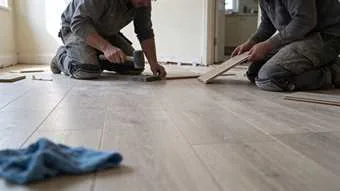
How many boxes of flooring do you need?
Direction is worth one box. Stairs are worth three. Underlay is worth no waste at all.
Materials you buy by the yard
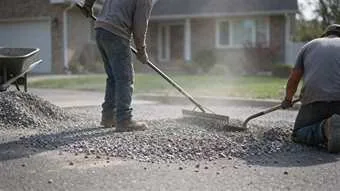
How much gravel do you need?
A bagged cubic yard weighs 20 percent less than a bulk one, and the break-even is 20 bags.
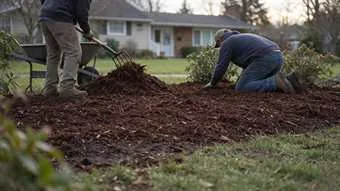
How much mulch do you need?
Five years of material costs the same at any depth. The difference is how often the truck comes.
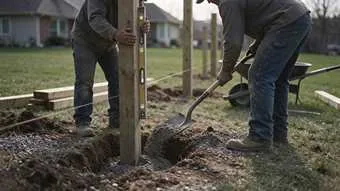
How many fence posts do you need?
13 bays and 14 posts, not 12.5. And why the 16 ft rail saves $12 and needs a helper.
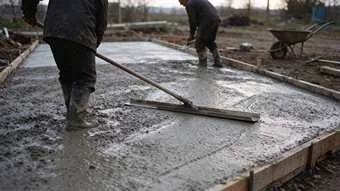
How much concrete do you need?
The bags-versus-truck line is set by the short-load fee, the number no quote ever shows.
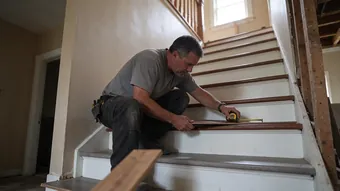
How much flooring do stairs need?
Tread plus riser is 4.4 square feet a step, not the 2.5 the floor shows. Two cartons appear for 52 square feet.
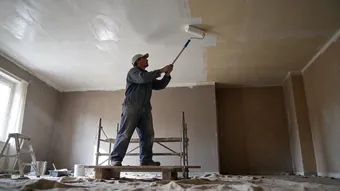
How much paint does a ceiling need?
Two coats turn 240 square feet into 480 square feet of work. At 350 per gallon that is two gallons and a 32 sq ft band.

How many tiles per square foot?
144 divided by the tile area in square inches. One 12 × 12, four 6 × 6, eight subway — then ten percent and cartons.
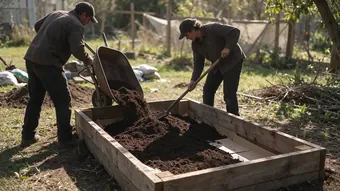
How much soil for a raised garden bed?
32 cubic feet is 1.19 cubic yards. Subtract freeboard, add 15 percent settling, and it is 31 cubic feet in sixteen bags.
How these guides are written
Prices are 2026 US retail and stated as ranges where they vary by region. Quantities are worked on a single reference job per guide so the arithmetic can be followed line by line. Waste allowances are given with the reason they exist rather than as a bare percentage, because a percentage that nobody understands gets ignored at the till.
Where a figure is a judgement rather than a calculation — how deep gravel should be, whether a 1 inch mulch layer is enough — we say what the trade standard is and what happens when you go outside it. Every guide carries the date it was last re-checked, and corrections are welcome at the contact page.